Begin with placement geometry
- Can the truck position the box where it needs to live, or is a secondary move by forklift or telehandler required? Check turning radius, dock height, and overhead clearance.
- Will the container sit on a pad, compacted base, or native soil? On the Blackland Prairie, moisture changes can create soft spots that affect door alignment and long-term siting.
- How near is the active work face? Shorter walking distances speed small-part retrieval during production line changes or hangar service.
Interior versus yard staging
- Inside large distribution buildings, door height and column spacing govern whether a container can be placed under cover. Consider aisle width and shared use with /electric-scissor-lift-rental/ or /vertical-mast-lift-rental/ routes.
- In exterior yards, drainage and wind exposure drive placement. Avoid low spots that collect water after brief storms; ensure enough setback from crane or /telehandler-rental/ pick zones.
Container types and fit
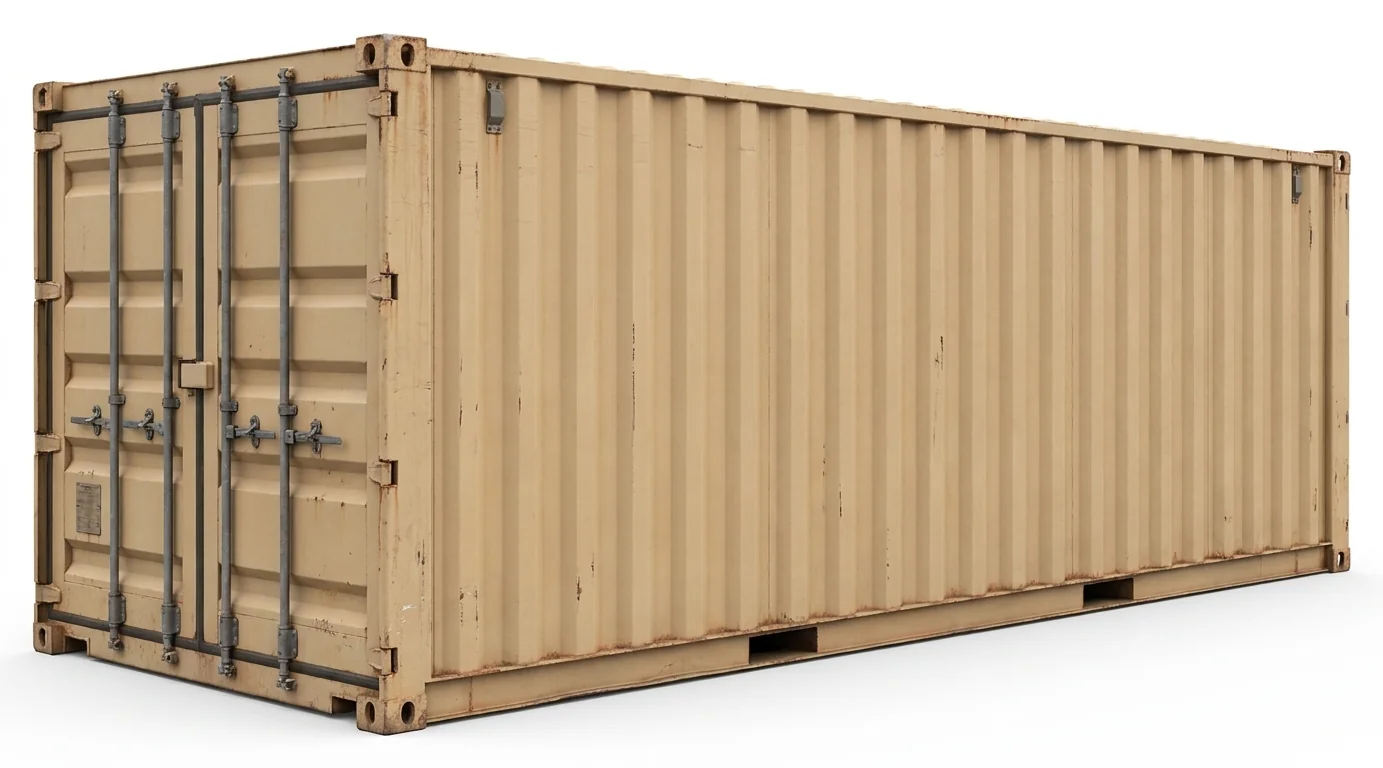
- Standard dry containers: General materials and tool storage. Measure for pallet width, rack depth, and clearance to load with /forklift-rental/.
- High-cube options: Helpful when storing tall components used in high-bay renovations. Verify door header height for rolling equipment.
- Access features: Multiple doors or side openings reduce pinch points in tight aisles; select configurations based on how crews queue for parts.
Schedule and site coordination
- On fast-changing projects, plan for potential relocation from a yard to a dock apron as the job shifts. Confirm crane, forklift, or telehandler capability for moves and the condition of lanes that may soften after rain.
- In temperature-extreme months, proximity to shaded areas can protect heat-sensitive materials; ventilation needs vary by content and season.
Actual site conditions, the selected unit’s instructions, and site procedures govern placement and loading.