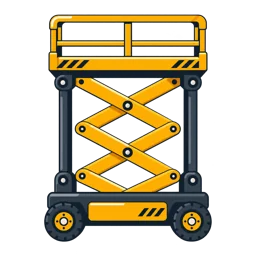
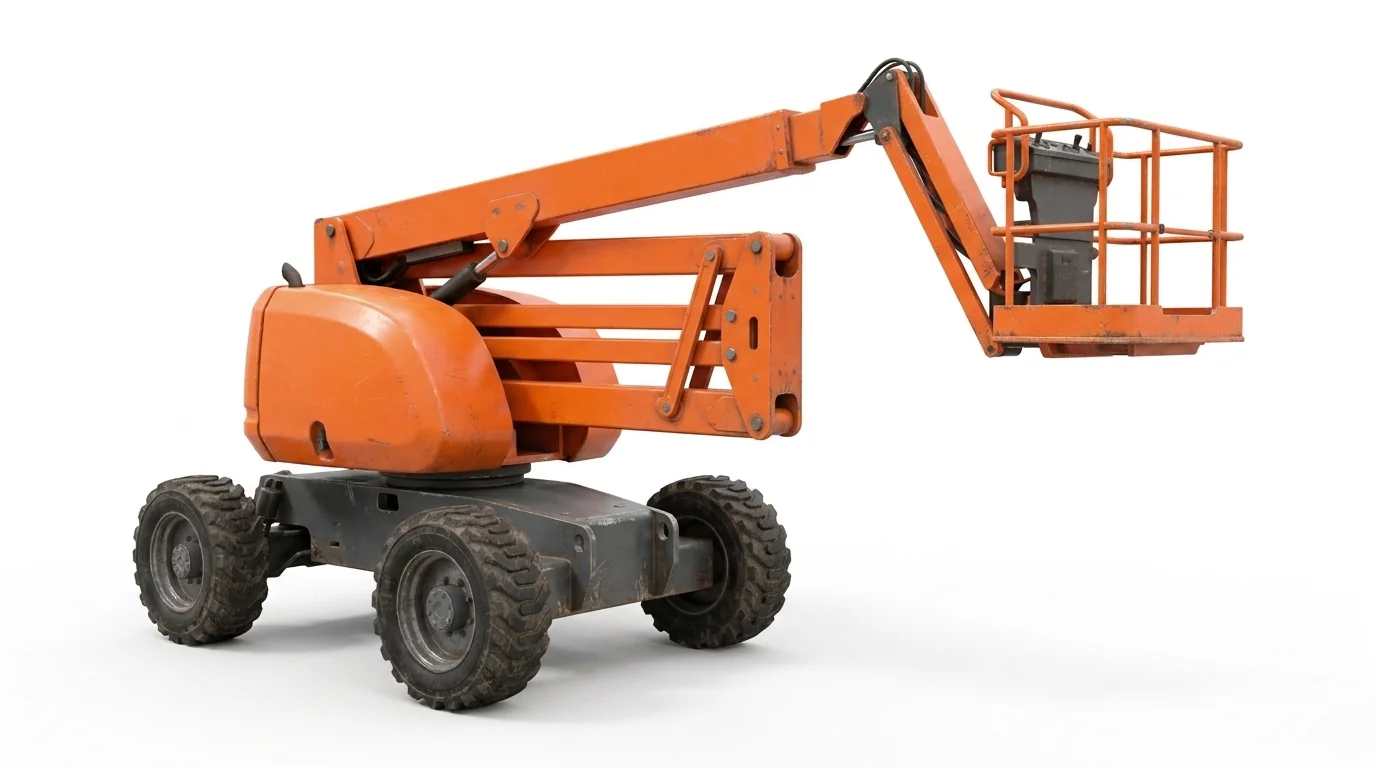
Start with geometry
- Direct vertical access: Scissor lifts shine when the machine can sit below the task. See /electric-scissor-lift-rental/ for interiors and /rough-terrain-scissor-lift-rental/ for exteriors.
- Up-and-over access: Booms handle obstacles like mezzanines, equipment, overhangs, and aircraft components. Explore categories at /boom-lift-rental/.
Local conditions that influence the category
- Clay soils around Waco can turn slick when wet, shaping outdoor choices toward rough-terrain units or booms with suitable drivetrains.
- High-bay interiors in distribution and manufacturing settings require quiet, low-emission machines that respect finished floors, leading to electric scissors or compact articulating booms where overhead obstructions exist.
- Heat and humidity support plans with shorter travel paths, clear staging, and predictable charging or fueling windows.
Scissor vs. boom: narrowing the field
- Height and reach path: Pure vertical tasks to lighting, ducts, or signage tend toward scissors; tasks requiring horizontal reach shift to articulating or telescopic booms.
- Platform size: Scissors provide larger working decks for tools and small materials; booms trade deck size for reach and positioning.
- Access width and weight: Tight aisles and sensitive floors favor compact electrics; unfinished pads and mixed grades point to rough-terrain scissors or suitable booms.
Complementary categories
- Vertical mast lifts for very tight indoor points: /vertical-mast-lift-rental/
- Material handling support near aerial work: /forklift-rental/ and /telehandler-rental/
- Site power and lighting for shift work: /generators-light-towers-rental/
Actual conditions, the selected unit’s instructions, and site procedures govern use. Confirm the travel route, slab limits, and approach angles before committing to a unit size.