Map the travel path
- Smallest aisle width and door opening set the maximum chassis size.
- Floor type (sealed concrete, epoxy, or mixed surfaces) influences tire choice and turning stability.
- Ramp grades at dock doors and transitions between old and new slabs affect capacity at travel.
Load and lift profile
- Maximum pallet weight and typical load centers narrow the class.
- Rack height and required lift speed influence mast selection and battery or fuel sizing.
- Visibility to the first pick location matters in dense re-slotting and narrow aisles.
Power and ventilation
- Electric units are preferred in enclosed areas or where emissions and noise are controlled.
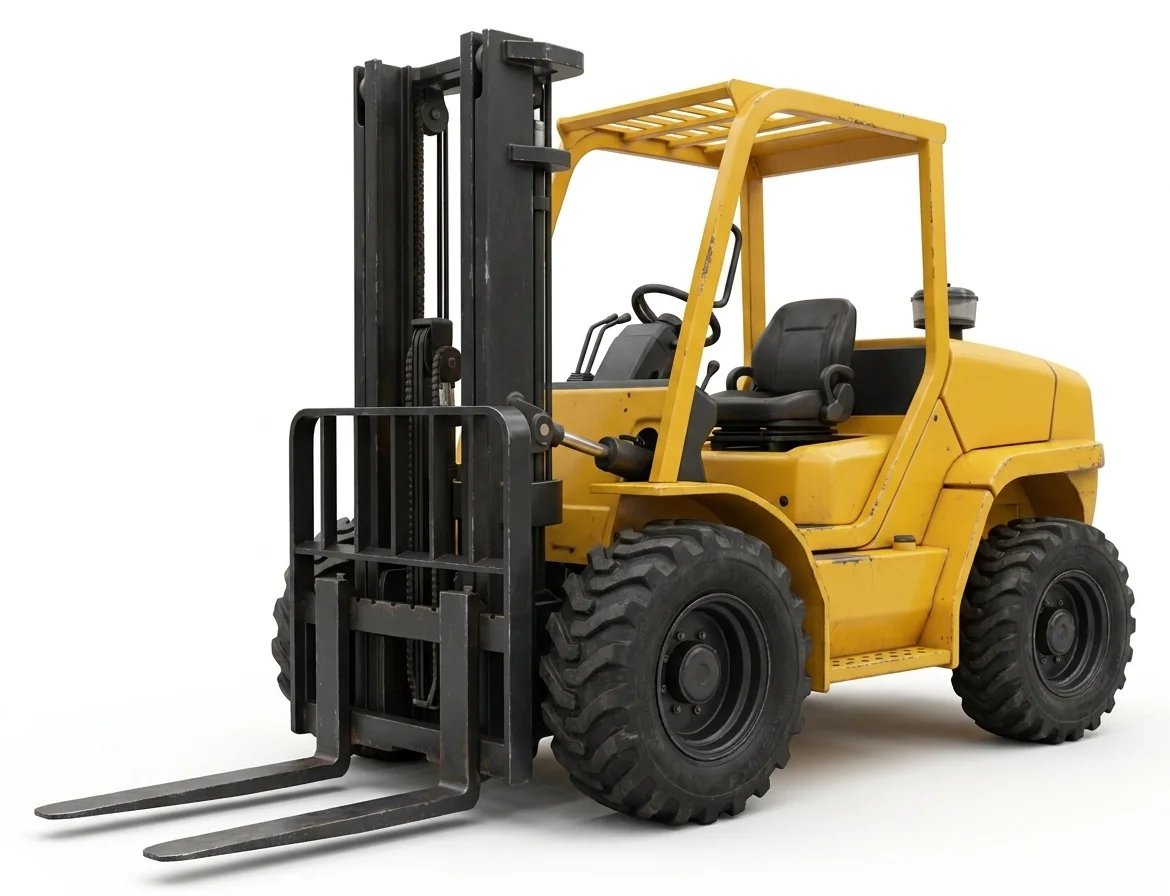
- Internal combustion models fit mixed indoor/outdoor cycles with frequent dock work.
Local considerations
Retrofit projects around Waco often blend older floors with new slab pours. Joint lips and uneven sections can unsettle loads at speed. Summer heat and humidity also affect battery performance and cooling for continuous shifts, so plan duty cycles and charging or fueling accordingly.
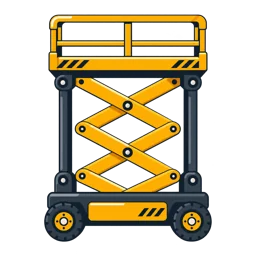
If elevated placement beyond rack height is required, a telehandler at /telehandler-rental/ may be the better comparison. For personnel access to shelving, inventory signage, or MEP work, consider /vertical-mast-lift-rental/.
Keep the comparison specific
A useful equipment discussion starts with the work height, the practical machine position, the route into the area, the floor or ground along that route, and the people, tools, or material involved. Those details clarify whether vertical access, outreach, or material placement is the real constraint.