Start with job geometry
- Can the machine sit below the task, or must it reach up-and-over an obstruction?
- Is there a mezzanine, racking, or duct run blocking a straight path?
- Do you need to reposition frequently within a tight aisle or around support columns?
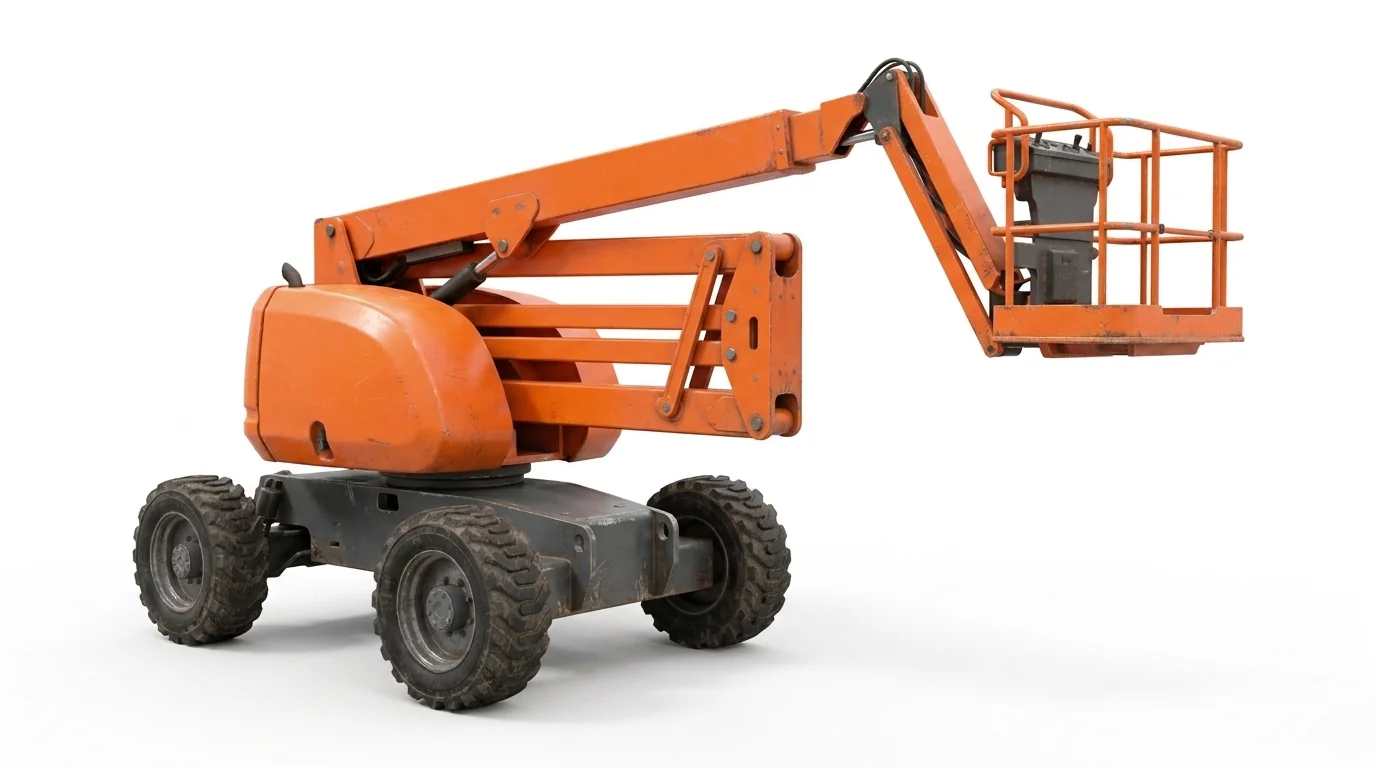
Articulating booms solve clearance problems by bending at multiple joints. That matters in Waco’s converted distribution buildings and industrial sites where equipment, conveyors, and tall storage often create overhead clutter.
Surface and tire considerations in Waco
Outdoor areas on the Blackland Prairie can become slick when wet. If the approach crosses unpaved yards or saturated clay, rough-terrain configurations are typically better suited than slab-only units. Indoors on finished concrete, non-marking tires and compact widths protect floors and keep access within aisle limits. Local humidity and heat can influence hydraulic performance, so plan duty cycles and staging to reduce unnecessary idle time in the sun.
Height, outreach, and envelope
- Platform height narrows the model family; measure the working point and add necessary clearance for tools or fixtures.
- Horizontal outreach and up-and-over clearance define whether the boom can bridge a parapet, catwalk, or equipment bank.
- Articulation joints help tuck the boom within tight operating envelopes, useful in hangar bays and production areas with overhead lines.
Power type and ventilation
- Electric or hybrid units fit interior work where ventilation is limited.
- Engine-driven rough-terrain models suit outdoor approaches, yard staging, or roof access from grade.
When an articulating boom is preferred
- Overhead obstacles block a straight shot.
- The machine must snake between columns or under trusses before rising.
- Work involves multiple points along a facade or within complex interiors.
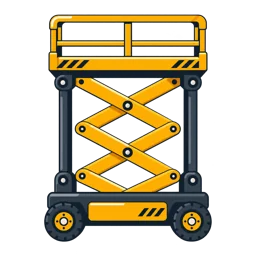
For long, unobstructed exterior reaches, compare with a straight boom at /telescopic-boom-lift-rental/. For slab-only interior tasks with purely vertical needs, see /electric-scissor-lift-rental/.